Why Ending Our Agreement with Flock Safety is the Best for Carrollton Residents
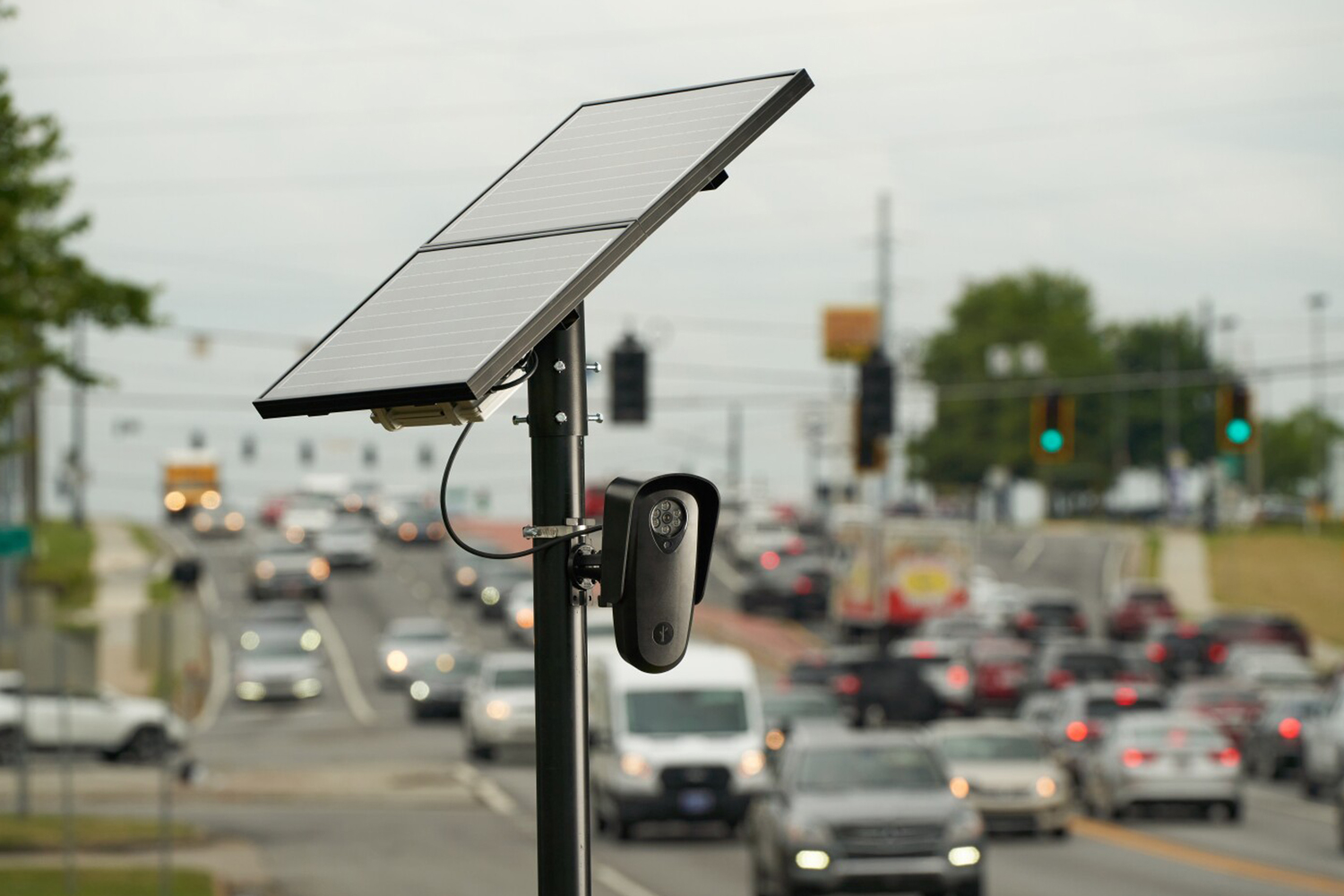
Across the country, communities have begun installing automated license plate reader systems as part of broader public safety strategies. One of the most widely used systems is operated by Flock Safety, a company that installs cameras designed to capture license plate information and vehicle characteristics. While these systems are often introduced with the promise of reducing crime, residents should carefully evaluate whether the benefits truly outweigh the costs and potential risks. I believe we should terminate our agreement with Flock Safety for the following reasons:
Privacy Concerns for Residents
A major concern with license plate reader systems is the potential impact on personal privacy. Cameras installed by Flock Safety collect data on vehicles that pass through neighborhoods, often including license plate numbers, vehicle type, color, and time of travel. Although the system does not typically capture images of drivers or passengers, the collected data can still reveal patterns of movement. Over time, this information can create a detailed record of when residents leave home, where they travel, and how often they return. Many residents feel uncomfortable with the idea of routine daily activity being tracked and stored, even if the intent is crime prevention.
Questions About Effectiveness
While the technology is marketed as a powerful crime-fighting tool, the effectiveness of these systems can vary significantly from one community to another. Crime reduction often depends on many factors such as policing strategies, community engagement, and economic conditions. Some communities have questioned whether the cameras actually prevent crime or simply help investigate incidents after they occur. If the technology does not meaningfully deter criminal activity, residents may question whether maintaining the agreement is worthwhile.
Financial Costs to the Community
Another important consideration is the financial burden placed on residents. Agreements with Flock Safety typically involve subscription fees, installation costs, and ongoing maintenance expenses. These funds often come from homeowner association budgets, municipal funds, or special assessments paid by residents. When communities face competing priorities—such as infrastructure improvements, parks, or neighborhood services—it becomes important to ask whether this technology is the best use of limited resources.
Data Storage and Security
Whenever data is collected, stored, and shared, cybersecurity risks must also be considered. Systems operated by Flock Safety store large volumes of vehicle data that may be accessible to law enforcement agencies and other authorized users. Residents may reasonably ask how long this information is stored, who has access to it, and how it is protected from misuse or breaches. Even well-intentioned systems can create vulnerabilities if strict safeguards and oversight are not in place.
Community Trust and Oversight
Perhaps most importantly, decisions about surveillance technology should involve meaningful input from the people who live in the community. If residents feel the system was implemented without sufficient discussion or transparency, trust in local leadership can erode. Discontinuing or reevaluating the agreement with Flock Safety could open the door for a broader conversation about safety strategies that respect both security and civil liberties.
Moving Forward
Public safety is an important goal that all communities share. However, it must be balanced with privacy, financial responsibility, and resident consent. Taking the time to reconsider agreements with companies like Flock Safety does not mean a community is abandoning safety—it means residents are carefully evaluating the tools used to achieve it.