How Private Security Can Strengthen Public Safety in Carrollton
As we face public safety challenges that become more complex, we should explore new ways to supplement traditional law enforcement. One increasingly common strategy is hiring private security firms to support public safety efforts. While this approach can raise questions about accountability and effectiveness, when implemented thoughtfully, private security can play a meaningful role in creating a safer Carrollton.
Expanding Coverage and Visibility
One of the most immediate benefits of hiring private security is increased coverage. Due to staffing shortages, budget constraints, or competing priorities, private security personnel can fill gaps by monitoring public spaces such as parks, transit hubs, downtown districts, and city-owned facilities.
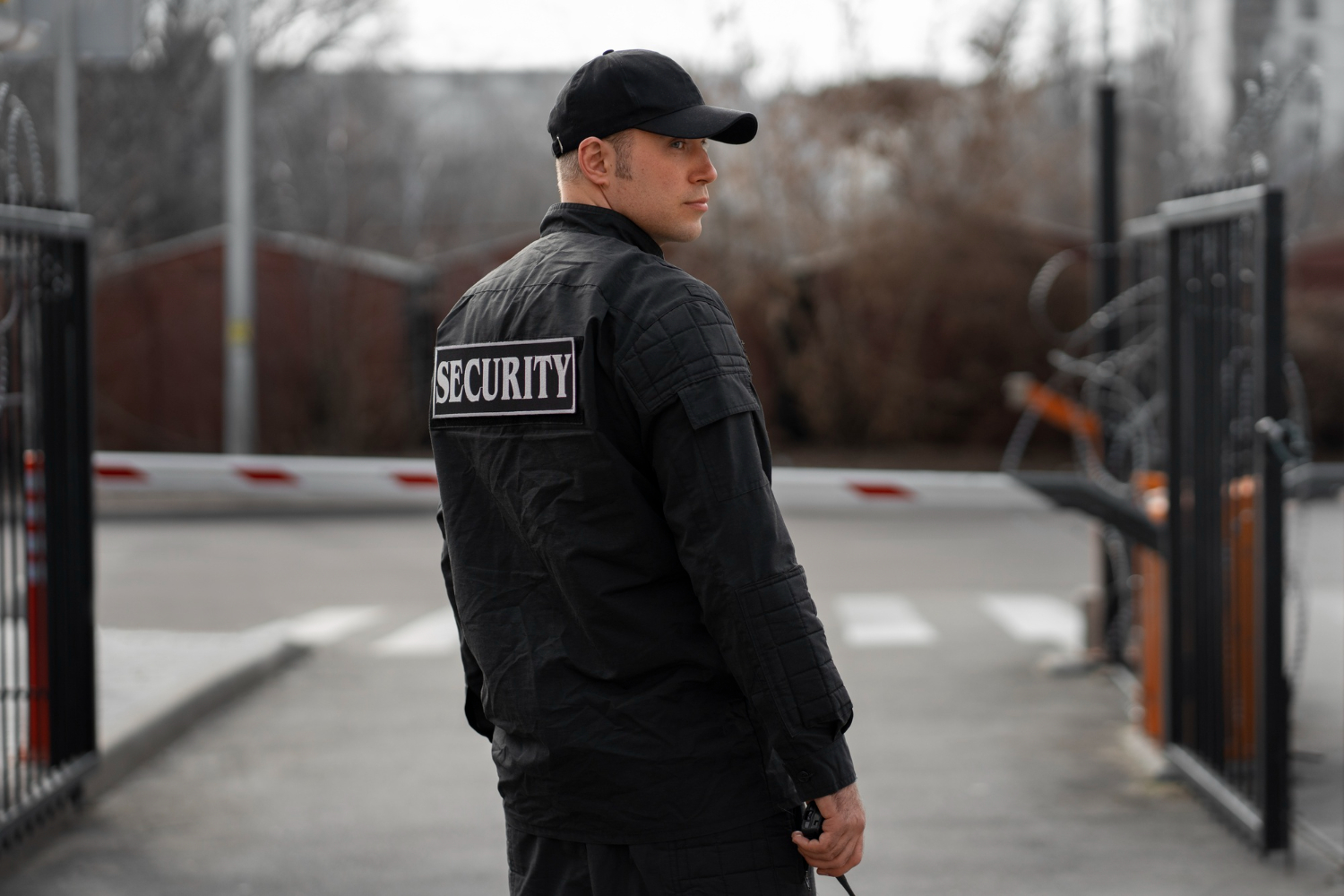
Their visible presence alone can act as a deterrent to crime. When people see uniformed personnel regularly patrolling an area, it sends a signal that the space is being actively monitored, which can discourage opportunistic offenses like theft, vandalism, or trespassing.
Allowing Police to Focus on Serious Crime
Private security can take on lower-risk, non-emergency responsibilities—such as access control, crowd management, and routine patrols. This allows our law enforcement officers to focus on higher-priority tasks like violent crime, investigations, and emergency response.
By redistributing responsibilities in this way, we can use our existing police resources more efficiently without overextending officers or compromising response times.
Faster Response in Specific Locations
When private security is assigned to specific areas or facilities, they can often respond more quickly to incidents within those zones. For example, security teams stationed in a public transit system or municipal building can address disturbances immediately, rather than waiting for police to arrive from elsewhere.
This localized responsiveness can prevent minor incidents from escalating and improve the overall sense of safety for residents and visitors.
Supporting Community-Oriented Safety
Private security personnel can also contribute to community-focused safety efforts. In many cases, they serve as approachable, non-threatening figures who can assist with directions, report hazards, or check in on public concerns.
When properly trained, they can act as an extra set of eyes and ears for the community—reporting suspicious activity, identifying maintenance issues, and helping connect individuals with appropriate city services.
Cost-Effective Supplement to Public Resources
Hiring private security can be a cost-effective way for cities to expand their safety presence without the long-term expenses associated with hiring and training additional police officers. Contracts can be adjusted based on seasonal needs, special events, or specific problem areas, giving municipalities flexibility in how they allocate resources.
This scalability allows cities to respond dynamically to changing conditions without committing to permanent increases in staffing.
Accountability and Oversight Matter
While there are clear advantages, the success of private security in public safety depends heavily on proper oversight. We must establish clear guidelines, training requirements, and accountability measures to ensure that private personnel operate ethically and effectively.
Transparency, coordination with law enforcement, and defined roles are essential to prevent confusion, misuse of authority, or gaps in responsibility.
Final Thoughts
Private security should not be viewed as a replacement for public law enforcement, but rather as a strategic complement. When cities hire and manage private security thoughtfully, they can expand coverage, improve responsiveness, and make better use of limited public resources. With the right safeguards in place, this partnership can enhance public safety and contribute to safer, more resilient communities.