
Let’s Make Carrollton a Little More Small Business Friendly
As a small business owner myself, I know how difficult it is to start up a business. On top of that are the sunken costs that goes along with setting up a retail suite and so forth. So the last thing a person wants is to be burdened by red tape and additional headaches to get their enterprise going. Here are some ways I will make it easier to open a business in Carrollton as Mayor.
Fast-Track Permits for Low-Risk Businesses
“Fast-track” permits for low-risk businesses are a practical way for us to reduce unnecessary delays while still maintaining safety and compliance standards. These programs identify business types—such as small retail shops, offices, or low-impact food establishments—that pose minimal health, safety, or environmental risks, and allow them to move through an expedited approval process. Instead of navigating multiple departments and long wait times, applicants can receive approvals within days through simplified forms, standardized requirements, and sometimes automatic or over-the-counter permits. By cutting down on bureaucratic bottlenecks, we make it easier and cheaper for entrepreneurs to open their doors quickly, which encourages more startups, reduces vacancy in commercial spaces, and stimulates local economic activity without compromising essential oversight.
Affordable Commercial Space
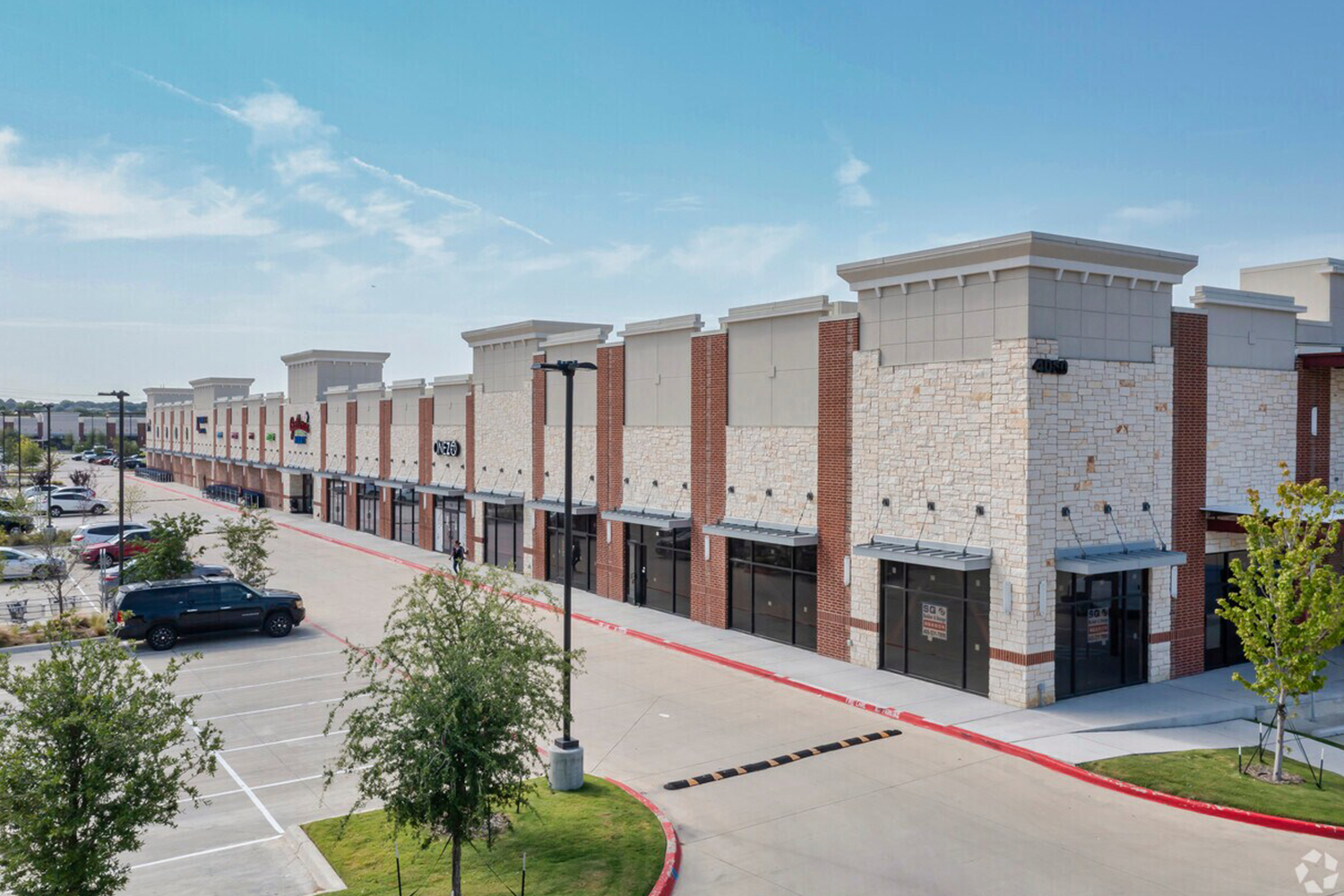
Rent is often the biggest barrier for small businesses, especially in high-demand areas where commercial space is limited and expensive. Cities can address this by encouraging mixed-use zoning that combines shops and housing, increasing the overall supply of retail space while creating more vibrant neighborhoods. They can also offer rent subsidies or sliding-scale leases in city-owned properties to give new or struggling businesses a more affordable starting point. Converting vacant buildings into pop-up retail spaces or business incubators helps activate unused areas and lowers the risk for entrepreneurs testing new ideas. Additionally, policies that discourage long-term commercial vacancies—such as vacancy taxes—can push property owners to lease spaces more quickly, making it easier for small businesses to find and afford a location.
Designing for Foot Traffic
Small businesses thrive where people naturally gather, making the design and livability of public spaces a critical factor in their success. We can support this by investing in walkable streets and well-designed public areas that encourage people to spend time outside and explore local shops. Improving lighting, safety, and cleanliness helps create an environment where customers feel comfortable visiting at all hours. Additionally, supporting outdoor dining, kiosks, and street vendors brings more activity to commercial areas, increasing visibility and foot traffic for nearby businesses while creating a more vibrant and engaging community atmosphere.
Final Thoughts
Creating a small business-friendly city requires a combination of smart policies, thoughtful planning, and ongoing support. By reducing barriers like high rent and slow permitting, while also investing in vibrant, walkable spaces, we can create an environment where small businesses have a real chance to succeed. These efforts not only benefit entrepreneurs but also strengthen local economies, create jobs, and foster a stronger sense of community. In the long run, supporting small businesses means building a more resilient, dynamic, and inclusive city for everyone.